
Ziyarat Makkah
Explore the sacred sites and historical landmarks of the holy city. Journey through places blessed by the footsteps of the Prophet Muhammad ﷺ and his companions.
Jabal Thawr
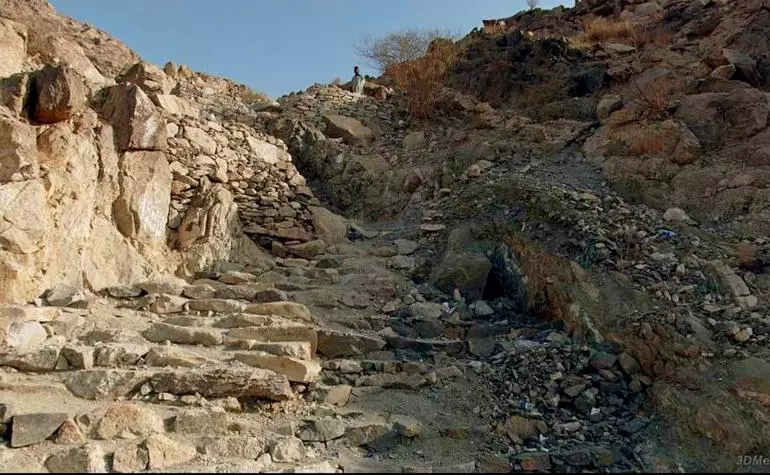
Jabal Thawr is the sacred mountain in Makkah where the Prophet Muhammad ﷺ and Abu Bakr رضي الله عنه took refuge during Hijrah. Inside its cave, Allah protected them from their enemies with miraculous signs of safety and peace. This moment reflects unshakeable trust in Allah and patience during hardship.
Al Rajhi Mosque
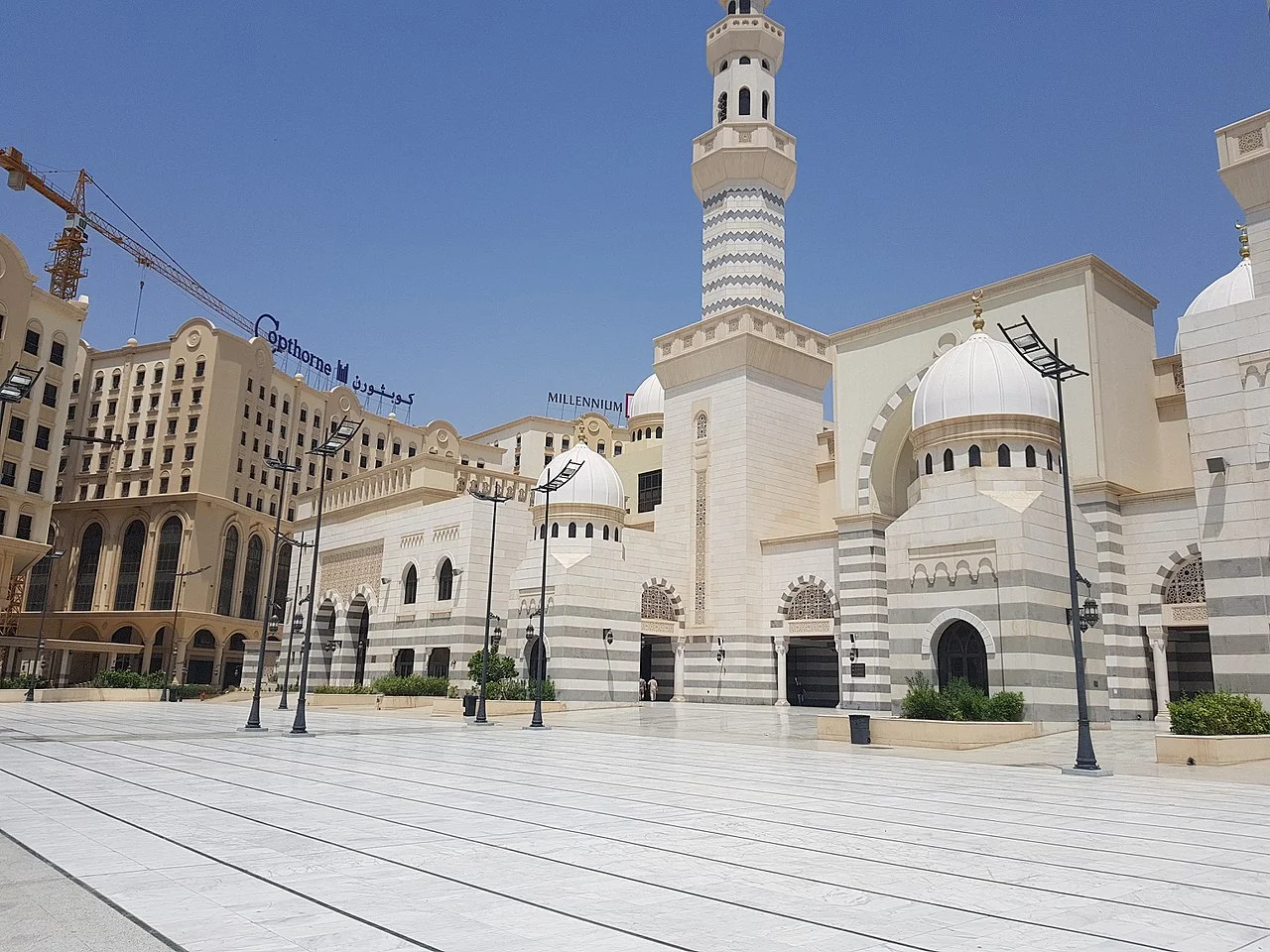
Al Rajhi Mosque is one of the largest and most beautifully designed mosques in Saudi Arabia. Known for its spacious halls and peaceful atmosphere, it hosts thousands of worshippers daily. The mosque is also a center for Quran learning, charity programs, and community services.
Mount Arafat (Jabal Arafat)
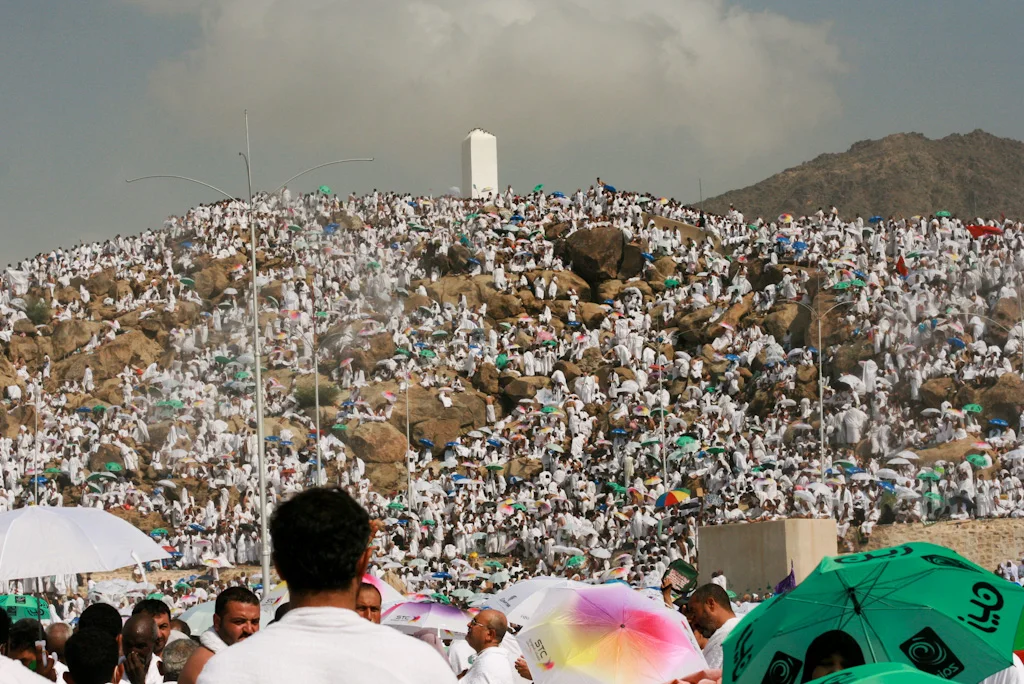
Mount Arafat is the sacred place where pilgrims gather for the most important day of Hajj, the Day of Arafah. It is the site where the Prophet Muhammad ﷺ delivered his Farewell Sermon. Standing at Arafat symbolizes repentance, mercy, and closeness to Allah.
Arafat Sightseeing
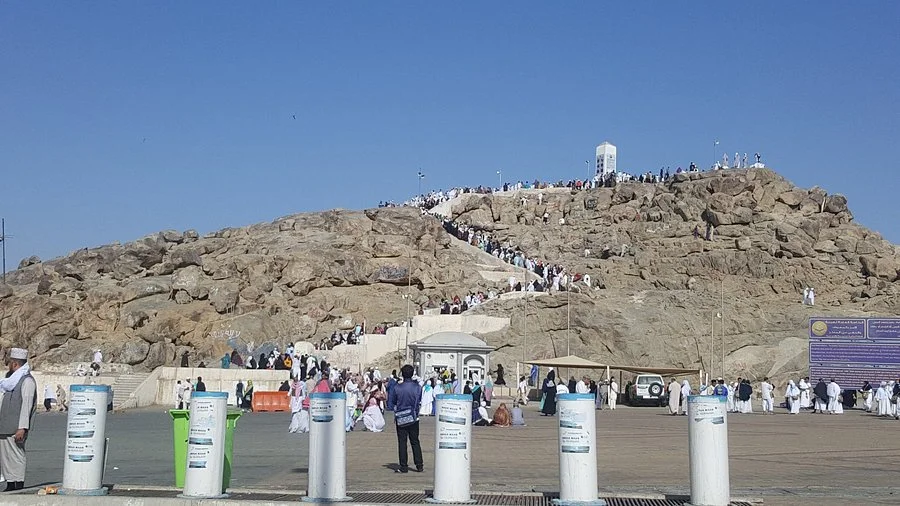
Arafat sightseeing allows pilgrims to explore the sacred area where the Day of Arafah takes place. Visitors witness Mount Arafat, Jabal al-Rahmah, and historic sites linked to the Prophet ﷺ. The peaceful plains remind believers of mercy, forgiveness, and the unity of the Ummah.
Umm al-Qura University
Umm al-Qura University is one of Saudi Arabia's leading institutions, located in the holy city of Makkah. It is renowned for its programs in Islamic studies, Shariah, engineering, medicine, and modern sciences. The university plays a key role in research, innovation, and serving pilgrims during Hajj and Umrah.
Masjid-e-Nimrah
Masjid-e-Nimrah is the historic mosque in Arafat where the Prophet Muhammad ﷺ delivered part of his Farewell Sermon. It stands at the heart of the Hajj journey, welcoming millions of pilgrims each year. The mosque represents guidance, mercy, and the powerful message of unity in Islam.
Nehr-e-Zubaida
Nehr-e-Zubaida was an advanced water canal system built by Queen Zubaida, wife of Caliph Harun al-Rashid. It carried fresh water from distant sources to Makkah, easing hardship for pilgrims. This remarkable project reflects her compassion, generosity, and vision for serving humanity.
Muzdalifah
Muzdalifah is the sacred plain where pilgrims gather after leaving Arafat on the night of 10th Dhul-Hijjah. Here, they perform Maghrib and Isha together and rest under the open sky. Pilgrims also collect pebbles from Muzdalifah for the stoning ritual at Jamarat.
Masjid Al-Khaif
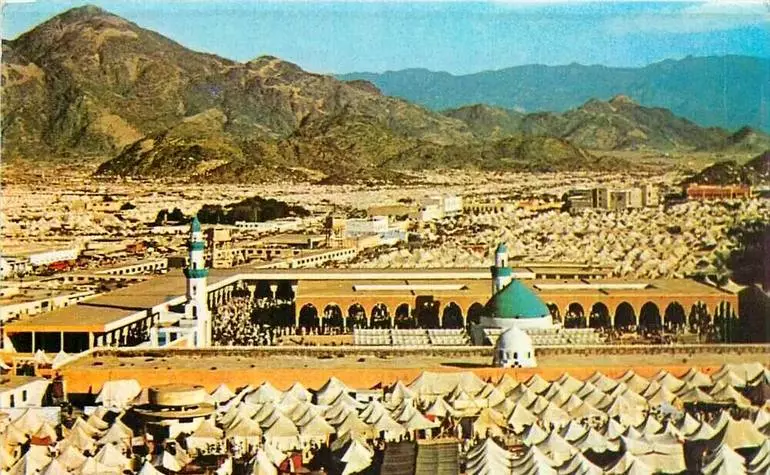
Masjid Al-Khaif is a historic mosque located in Mina, where many prophets are said to have prayed. It is a significant landmark during Hajj, close to the Jamarat area. The mosque symbolizes devotion, patience, and the deep history of worship in Mina.
Mina
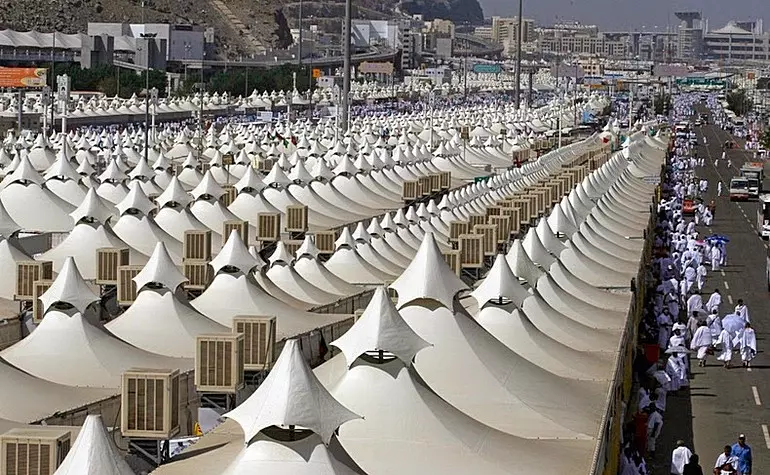
Mina Viewpoint offers a panoramic view of the vast tent city where millions of pilgrims stay during Hajj. From here, visitors can clearly see the Jamarat area and the flow of pilgrims across Mina. The viewpoint highlights the scale, organization, and beauty of the Hajj journey.
Masjid al-Mash'ar al-Haram
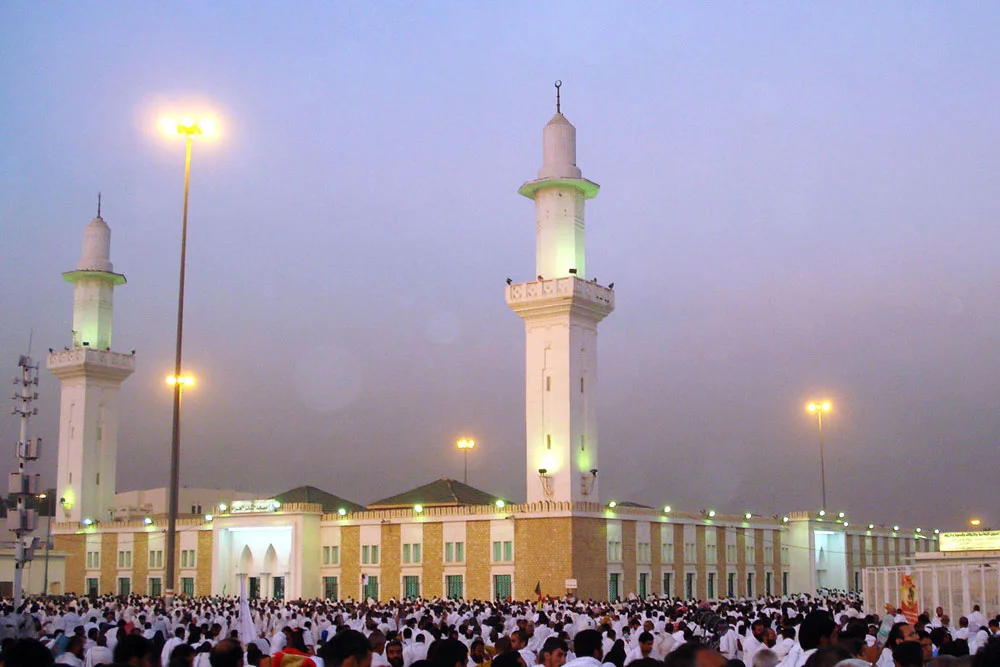
Masjid al-Mash'ar al-Haram is located in Muzdalifah and holds great significance during Hajj. It marks the sacred spot where pilgrims pause to remember Allah after leaving Arafat. The mosque symbolizes devotion, remembrance, and the peaceful night of Muzdalifah.
Jabal al-Noor
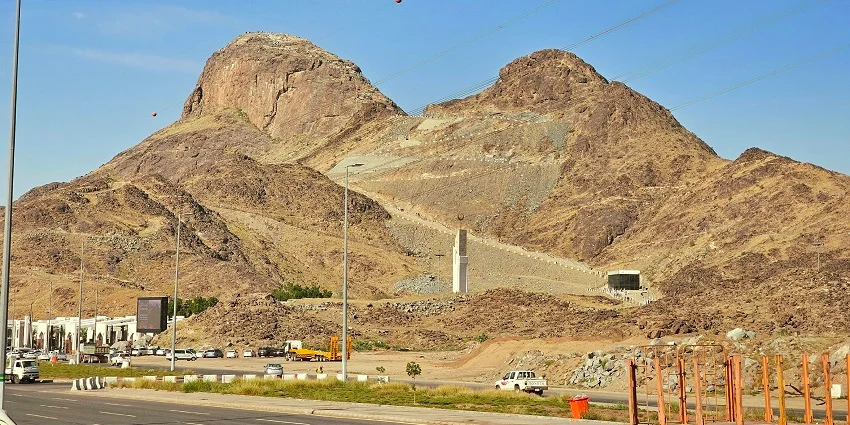
Jabal al-Noor is the sacred mountain in Makkah that houses the Cave of Hira. It is the place where the first revelation was sent to the Prophet Muhammad ﷺ. This blessed mountain symbolizes the beginning of prophethood and divine guidance.
Jannat ul-Mu'alla
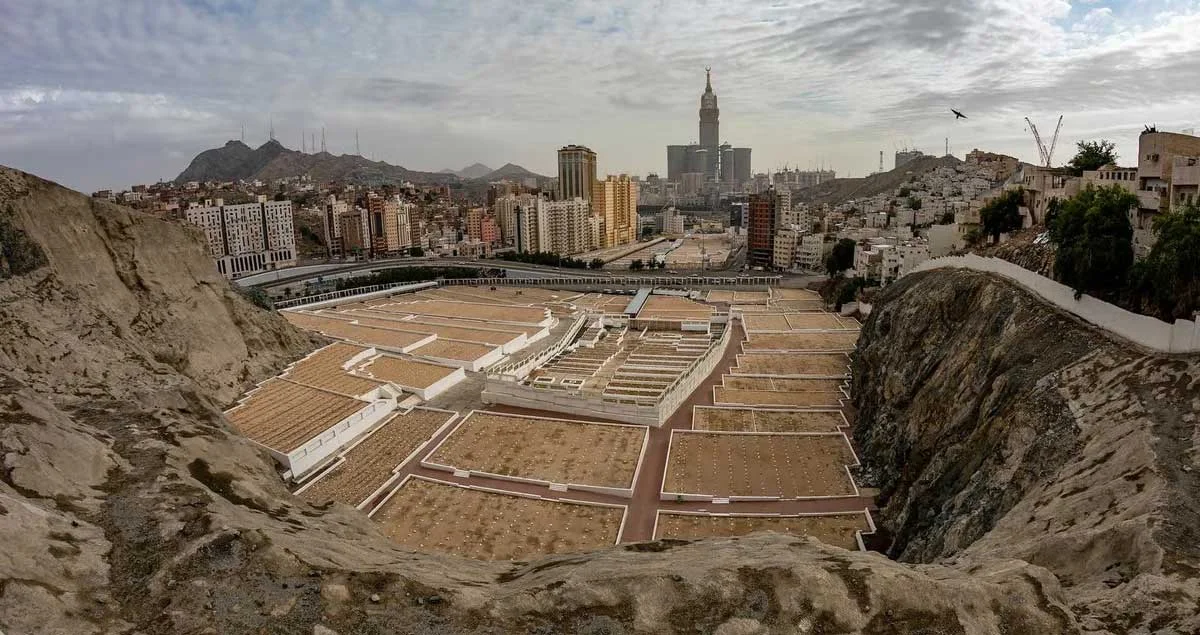
Jannat ul-Mu'alla is the historic cemetery in Makkah where many of the Prophet's ﷺ family members are buried. It includes the resting places of Hazrat Khadijah رضي الله عنها and other noble companions. This sacred site reflects the deep history of early Islam and the sacrifices of its pioneers.
Masjid al-Jinn
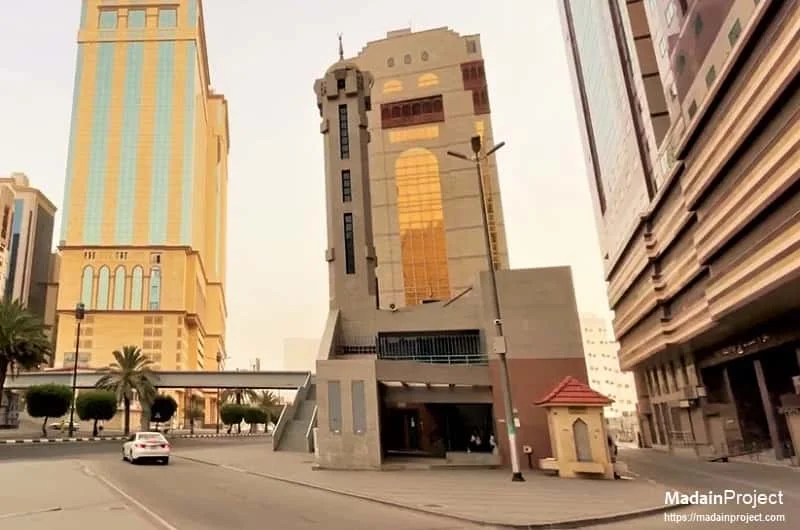
Masjid al-Jinn is a historic mosque in Makkah where a group of jinn embraced Islam after hearing the Qur'an. It marks the place where they met the Prophet Muhammad ﷺ and pledged their obedience. The mosque represents the universal reach of the Qur'an and the Prophet's ﷺ message. Visitors come here to reflect on faith, guidance, and this unique event in Islamic history.
Masjid Fath (Masjid al-Fath)
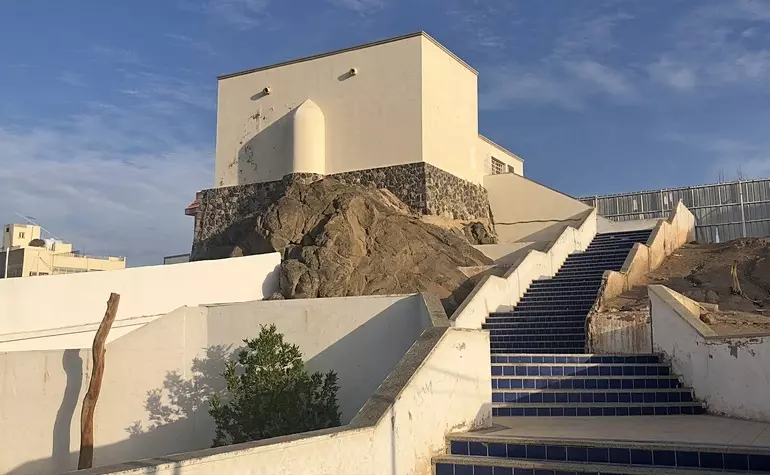
Masjid Fath is the largest of the Seven Mosques in Madinah, located at the site of the Battle of the Trench. It marks the spot where the Prophet Muhammad ﷺ made dua for victory during the battle. The mosque represents strength, faith, and Allah's help during times of hardship.
Masjid Shajarah
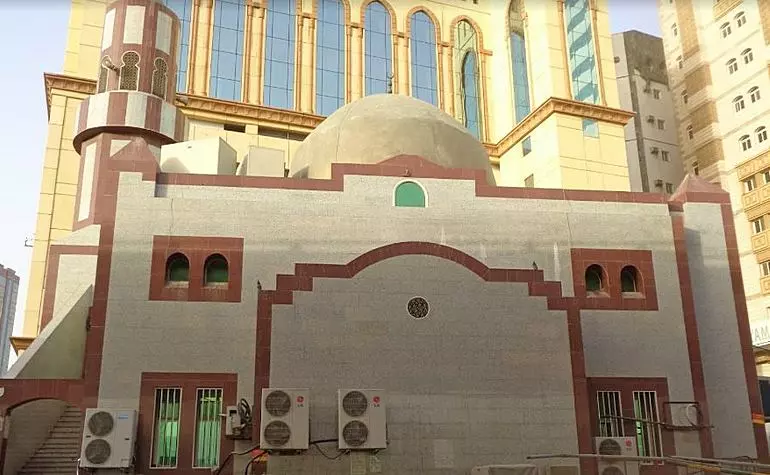
Masjid Shajarah is the miqat station for pilgrims traveling from Madinah to perform Umrah or Hajj. It is the place where the Prophet Muhammad ﷺ entered into the state of Ihram. The mosque symbolizes purity, intention, and the beginning of the sacred pilgrimage.
Jabal Thawr
Al Rajhi Mosque
Mount Arafat (Jabal Arafat)
Arafat Sightseeing
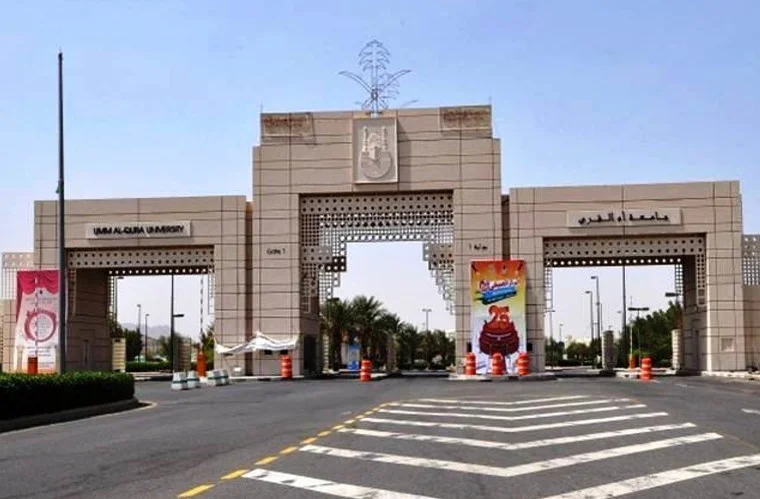
Umm al-Qura University
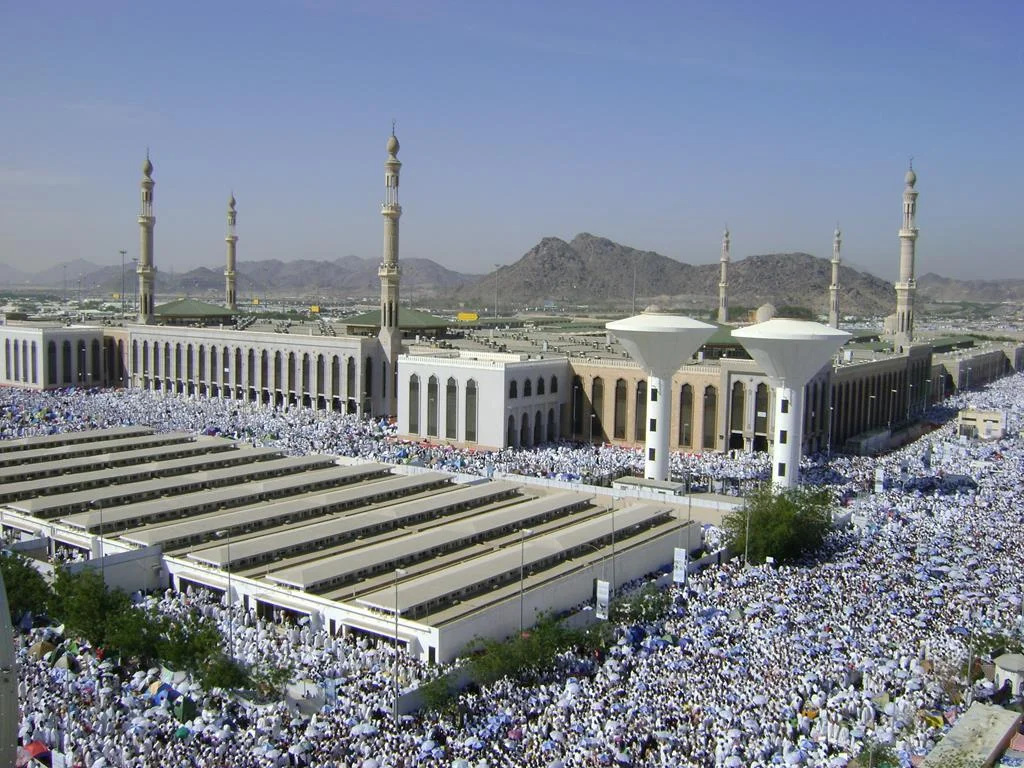
Masjid-e-Nimrah
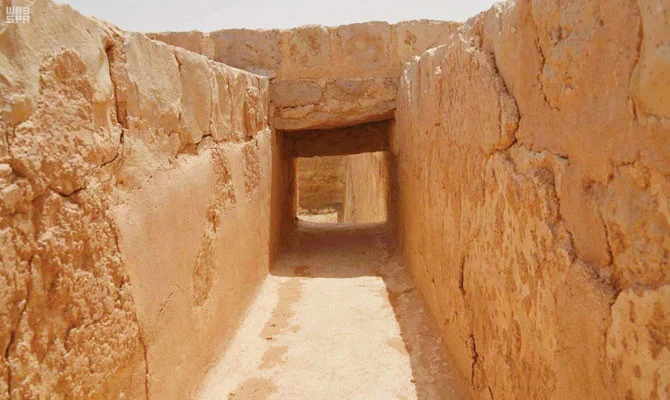
Nehr-e-Zubaida
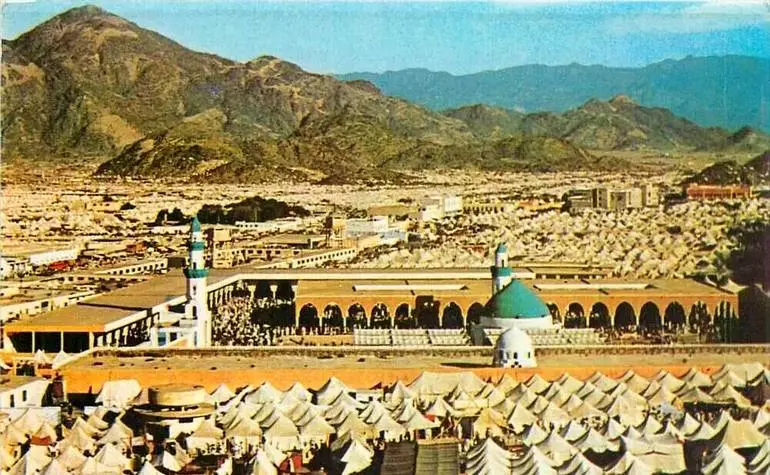
Muzdalifah
Masjid Al-Khaif
Mina
Masjid al-Mash'ar al-Haram
Jabal al-Noor
Jannat ul-Mu'alla
Masjid al-Jinn
Masjid Fath (Masjid al-Fath)
Masjid Shajarah
Jabal Thawr
Jabal Thawr is the sacred mountain in Makkah where the Prophet Muhammad ﷺ and Abu Bakr رضي الله عنه took refuge during Hijrah. Inside its cave, Allah protected them from their enemies with miraculous signs of safety and peace. This moment reflects unshakeable trust in Allah and patience during hardship.
Al Rajhi Mosque
Al Rajhi Mosque is one of the largest and most beautifully designed mosques in Saudi Arabia. Known for its spacious halls and peaceful atmosphere, it hosts thousands of worshippers daily. The mosque is also a center for Quran learning, charity programs, and community services.
Mount Arafat (Jabal Arafat)
Mount Arafat is the sacred place where pilgrims gather for the most important day of Hajj, the Day of Arafah. It is the site where the Prophet Muhammad ﷺ delivered his Farewell Sermon. Standing at Arafat symbolizes repentance, mercy, and closeness to Allah.
Arafat Sightseeing
Arafat sightseeing allows pilgrims to explore the sacred area where the Day of Arafah takes place. Visitors witness Mount Arafat, Jabal al-Rahmah, and historic sites linked to the Prophet ﷺ. The peaceful plains remind believers of mercy, forgiveness, and the unity of the Ummah.
Umm al-Qura University
Umm al-Qura University is one of Saudi Arabia's leading institutions, located in the holy city of Makkah. It is renowned for its programs in Islamic studies, Shariah, engineering, medicine, and modern sciences. The university plays a key role in research, innovation, and serving pilgrims during Hajj and Umrah.
Masjid-e-Nimrah
Masjid-e-Nimrah is the historic mosque in Arafat where the Prophet Muhammad ﷺ delivered part of his Farewell Sermon. It stands at the heart of the Hajj journey, welcoming millions of pilgrims each year. The mosque represents guidance, mercy, and the powerful message of unity in Islam.
Nehr-e-Zubaida
Nehr-e-Zubaida was an advanced water canal system built by Queen Zubaida, wife of Caliph Harun al-Rashid. It carried fresh water from distant sources to Makkah, easing hardship for pilgrims. This remarkable project reflects her compassion, generosity, and vision for serving humanity.
Muzdalifah
Muzdalifah is the sacred plain where pilgrims gather after leaving Arafat on the night of 10th Dhul-Hijjah. Here, they perform Maghrib and Isha together and rest under the open sky. Pilgrims also collect pebbles from Muzdalifah for the stoning ritual at Jamarat.
Masjid Al-Khaif
Masjid Al-Khaif is a historic mosque located in Mina, where many prophets are said to have prayed. It is a significant landmark during Hajj, close to the Jamarat area. The mosque symbolizes devotion, patience, and the deep history of worship in Mina.
Mina
Mina Viewpoint offers a panoramic view of the vast tent city where millions of pilgrims stay during Hajj. From here, visitors can clearly see the Jamarat area and the flow of pilgrims across Mina. The viewpoint highlights the scale, organization, and beauty of the Hajj journey.
Masjid al-Mash'ar al-Haram
Masjid al-Mash'ar al-Haram is located in Muzdalifah and holds great significance during Hajj. It marks the sacred spot where pilgrims pause to remember Allah after leaving Arafat. The mosque symbolizes devotion, remembrance, and the peaceful night of Muzdalifah.
Jabal al-Noor
Jabal al-Noor is the sacred mountain in Makkah that houses the Cave of Hira. It is the place where the first revelation was sent to the Prophet Muhammad ﷺ. This blessed mountain symbolizes the beginning of prophethood and divine guidance.
Jannat ul-Mu'alla
Jannat ul-Mu'alla is the historic cemetery in Makkah where many of the Prophet's ﷺ family members are buried. It includes the resting places of Hazrat Khadijah رضي الله عنها and other noble companions. This sacred site reflects the deep history of early Islam and the sacrifices of its pioneers.
Masjid al-Jinn
Masjid al-Jinn is a historic mosque in Makkah where a group of jinn embraced Islam after hearing the Qur'an. It marks the place where they met the Prophet Muhammad ﷺ and pledged their obedience. The mosque represents the universal reach of the Qur'an and the Prophet's ﷺ message. Visitors come here to reflect on faith, guidance, and this unique event in Islamic history.
Masjid Fath (Masjid al-Fath)
Masjid Fath is the largest of the Seven Mosques in Madinah, located at the site of the Battle of the Trench. It marks the spot where the Prophet Muhammad ﷺ made dua for victory during the battle. The mosque represents strength, faith, and Allah's help during times of hardship.
Masjid Shajarah
Masjid Shajarah is the miqat station for pilgrims traveling from Madinah to perform Umrah or Hajj. It is the place where the Prophet Muhammad ﷺ entered into the state of Ihram. The mosque symbolizes purity, intention, and the beginning of the sacred pilgrimage.
May Your Visit Be Accepted
We hope this virtual journey through the sacred sites of Makkah has inspired you. May Allah accept your prayers and grant you the opportunity to visit these blessed places in person.
Call us anytime for personalized guidance on your spiritual journey